

物联网平台与连接系统套件
资产远程监控
资产远程监控系统安全地监控异地设备的状态、指标与故障,并发送带上下文的告警,加速远程排障。
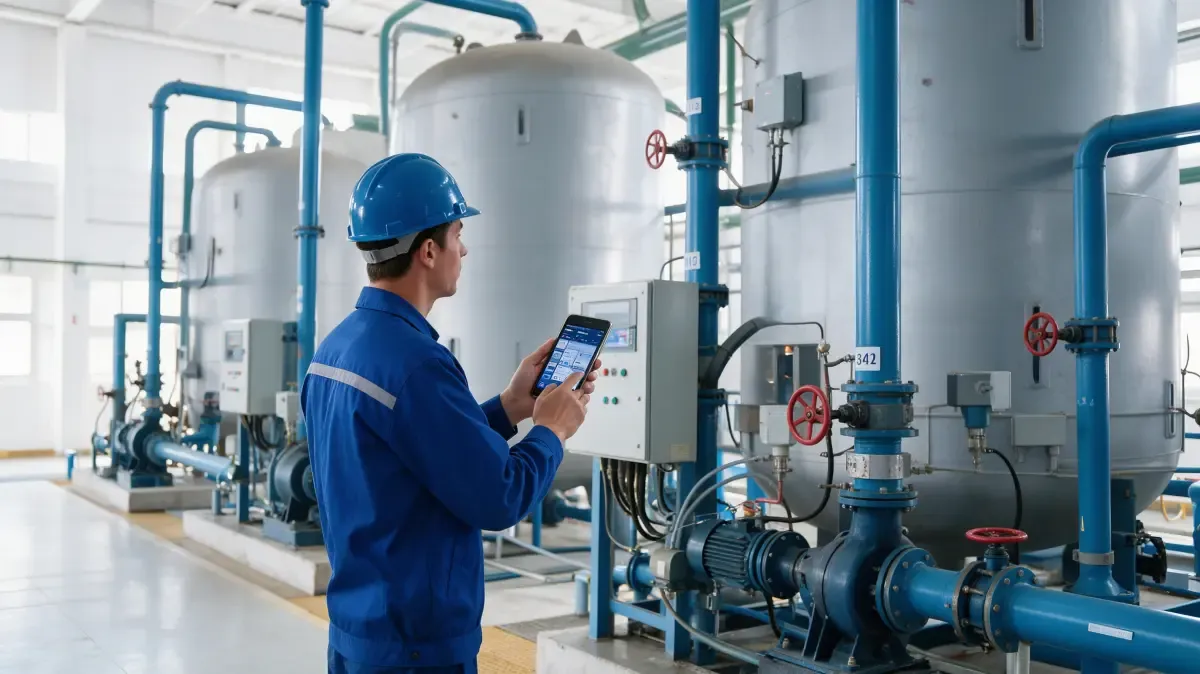
出了问题的地方没有人值守。传来的可能是一个故障代码,或一个超限的数值,也可能什么都没有——只是面板上多了一盏灯,得有人跑过去看一眼。
资产远程监控看护那些不在你眼前的设备:当前状态、关键数值、故障及其背后的历史,远程访问在站点设定的权限之下开放。
远程访问本身没多大用处,让它有用的是上下文——哪台资产、在哪里、之前在做什么、发生了什么变化、由谁负责。缺了这些,远程支持不过是隔着距离的猜测。
没有上下文的远程访问,就是远程瞎猜。
它是什么
带实时状态的资产台账。每项资产记录它是什么、在哪里、归谁管、当前上报了什么。故障带着背景到达。告警附有资产、位置、起始时间、事前数值与此前发生过什么。受控的远程访问。谁能连接、能做什么、会话持续多久,由现场设定,且会话留有日志。按资产设定的阈值与规则。什么算故障按资产类型与单台配置,而非整个资产群一刀切。可供复盘的历史。数值、故障、确认与处置存放在一起,事后可完整回看。通往维护的通道。故障可直接生成携带资产档案的工单,而不是一条需要重新录入的消息。
当下的阻碍是什么
支持从一通电话开始。总得有人描述自己看到了什么。
现场的人描述屏幕上的内容,场外的人凭描述想象。两人都只握着局部信息。有人开车赶去只为看一眼显示。因为那是知道机器在说什么的唯一办法。路费比问题本身还贵。人人清楚这一点,却仍在发生,因为没有别的选择。
Alerts without context. 故障码来了,它周围的上下文却全都不见。
故障代码到了,却不说明是哪台设备报的。第一件事是先找到「病人」。没人知道何时开始、之前数值如何。而这通常正是能解释故障的信息。同一代码在不同设备上含义不同。于是经验代替了数据。
远程访问不受管控。谁能够连接到设备,其实并不清楚。
Who may connect, and what they may do once connected, is not recorded anywhere. It works because it has always worked.
服务早已结束,供应商的远程账号却一直开着。因为关闭账号不是任何人的任务。
When something goes wrong, there is no record of who was connected. So the question cannot be answered.
故障与维护彼此脱节。告警和工单分属两套系统。
An alert is raised and nobody is obliged to act on it. So whether it was handled depends on who noticed.
开立工单时,工单并不携带资产的状态信息。So the technician starts from nothing.
What was found and what was done never comes back to the alert. So the same fault looks new next time.
它监控什么
不同资产类别关注的要点各不相同。共同之处在于:每个读数都会附带资产本身、所处位置和历史记录。
资产类别 | 监控什么 |
生产设备 | 运行状态、节拍行为、故障代码、对该设备关键的工艺数值 |
公用与服务设施 | 空压机、冷水机、泵与风机:负载、温度、有测量处的振动、运行小时 |
计量与仪表 | 读数、超限状态,以及仪表是否仍在上报 |
移动与分布式资产 | 位置、运行小时,以及下次保养到期点 |
远程站点 | 供电、环境、出入与通信——没人到场时最先出问题的地方 |
能监控什么取决于资产能上报什么。会主动发布故障码的机器,能给出的信息比只亮运行信号的机器多;没有通信通道的仪表则完全无法监控。数据缺失或过期之处会被如实标记,而不是被填补。本应用只负责监视与上报,不对设备执行操作;如何处置,由现场负责人决定。
您将获得
应用场景
不同场景之间的差异,在于资产是什么,以及远程意味着多大的代价。
场景 | 远程监控通常覆盖 |
多站点制造 | 总部无人常驻的工厂设备,由责任工程师在任何地点远程关注 |
设备制造商与 OEM | 已交付设备的状况、故障与保养周期 |
公用设施与基础设施 | 泵站、变电站等偏远设施——到场就是一趟出行 |
流程工业 | 分布在大范围厂区内的仪表与旋转设备 |
楼宇与园区 | 多处地点的楼宇机电——供热、制冷、供电 |
核心能力
按职能划分。设备连接、身份与生命周期由锐益 IOTS 物联网平台负责;本应用基于平台的记录监控资产,并处理其上报的信息。
Capability | What it means |
Asset record | Keep what the asset is, where it is, who owns it, and its current state in one place. |
Status tracking | Show current condition and the values that matter, updated as the asset reports them. |
Fault raising | Raise faults from status, codes or out-of-range values, with what triggered them recorded. |
Context on every alert | Attach the asset, its location, when it started, preceding values and recent history. |
Thresholds per asset | Configure what counts as a fault per asset type and per individual unit. |
Severity and routing | Grade faults and route them to the person or role responsible for that asset. |
Acknowledgement and escalation | Require acknowledgement, and move it on if nobody does. |
Suppression | Mute what is expected — planned maintenance, scheduled shutdowns — so the queue stays readable. |
Remote access sessions | Grant access under the permissions the site sets, with what was done and for how long recorded. |
Access logging | Log who connected, to what, and when, so the question can be answered afterwards. |
Work order handoff | Raise a fault into the maintenance system as a work order carrying the asset record. |
History and replay | Look back at what an asset reported, including the period around a fault. |
Trend and drift | Show slow change over time, which a single reading rarely reveals. |
Ranking | Order assets by how often they fault or how much attention they take. |
Search | Find assets by name, location, type, owner or state. |
部署方式选择 | Run in the cloud or on site, usually decided by where operational data may be processed and stored. |
Access and retention | Role-based access per site and area, retention set by policy, with access and changes logged. |
工作原理
Register the asset. The asset is recorded: what it is, where it is, who owns it, and what values it reports, using the device record already held in the platform.
Set what matters. Thresholds and rules are configured for that asset type, and adjusted per unit where one differs.
Watch. Status and values are tracked as the asset reports them, and data that stops arriving is marked as stale.
Raise with context. A fault is raised carrying the asset, its location, when it started and what led up to it.
Route and act. 故障派给责任人或责任角色;未被确认就继续上移,并可转为工作任务。
Record the outcome. What was found and what was done come back to the asset record, so the next occurrence is not mistaken for a new one.
访问、安全与边界
Access is granted, not assumed. Who may connect to which assets, what they may do, and how long a session lasts are configured by the site. Every session is logged.
Suppliers and service partners. Access for people outside the organisation is time-bounded and recorded, rather than left open after a job finishes.
What it does not do. It watches, reports and provides controlled access. It does not act on equipment, and it does not take over the safety decisions that belong to the people on site.
What depends on the asset. What can be monitored is limited to what the asset reports. Where nothing is available, that is shown rather than filled in.
What is local. 远程访问策略、数据驻留、留存期限及行业特定义务,取决于所在辖区和现场。配置据此设定;这些决策不由系统做出。