

环境与能源管理系统套件
能耗管理系统
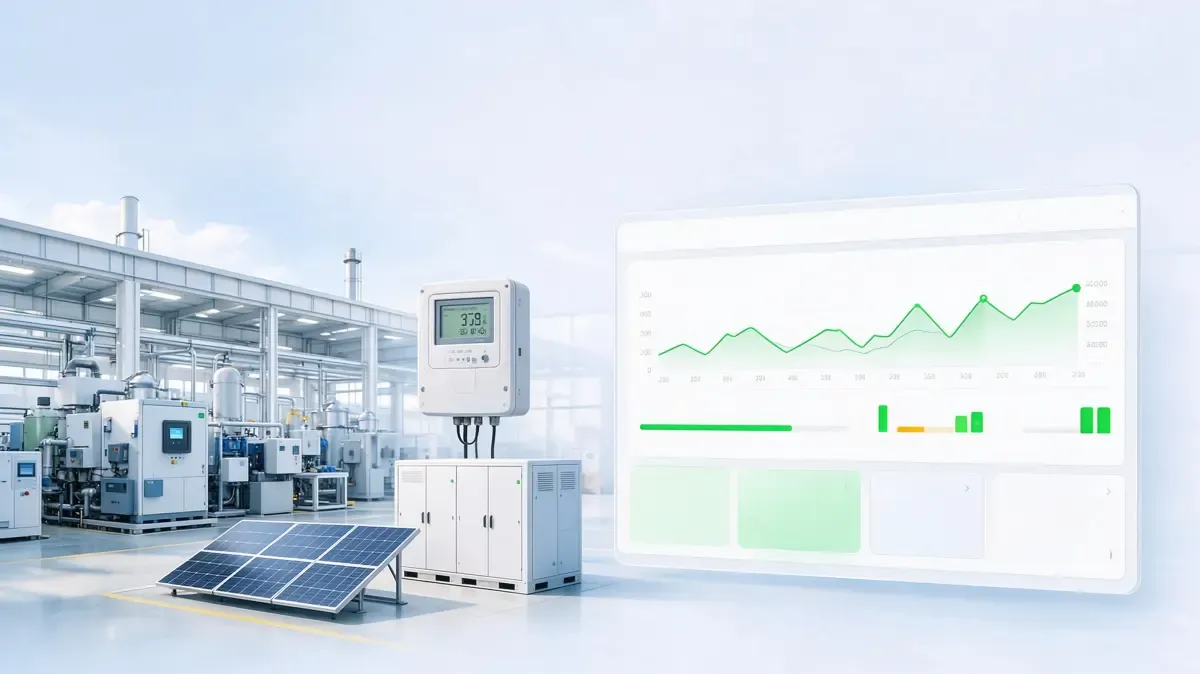
能源通常以一个数字到达:月度发票、总用量、总费用。能解释它的一切——哪条产线在运行、哪个班次当班、在做哪个订单、实际产出了多少——都在别处,在另一个系统里,或者根本不存在。
能耗管理从你已有的计量表开始,一路向下分解到单元。电、水、燃气与蒸汽、压缩空气、供热与制冷,从既有表计和网关采集,然后按区域、产线、设备、订单或批次、班次拆分——于是用量可以对照产出阅读,而不是对照日历。
产出的是工厂可以行动的三样东西:单位能耗、一条随实际工作移动的基线,以及按你实际执行的费率计算的成本——包括决定这个月花多少钱的需量电费和峰段。
无法归因的数字,就无法管理。
它是什么
所有介质一个入口。电、水、燃气与蒸汽、压缩空气、供热与制冷从已安装的计量表与网关统一采集。由您定义的计量树。厂区、建筑、区域、产线与设备按工厂实际组织方式和实际计费方式建模。按规则分摊,而非凭猜测。有计量表的地方实测消耗;没有的地方按您设定的基准分摊——并如实标注为分摊,不会与实测值混淆。对标产出归一。消耗与产量对照,忙碌的一周不会被误报为浪费的一周。单位、批次、订单能耗均出自同一套数据。按您的电价计费。消耗按实际适用的价费结构换算为成本:峰谷时段、需量电费、功率因数条款,以及不同站点的不同费率。账单之前先预警。需量逼近合同水平、消耗越出预期区间、区域未生产设备仍在运行、大负载同时启动推高峰值。
当下的阻碍是什么
一张账单,背后空无一物。总数到达时,钱已经花出去了。
账单只给一个月度总数。而且到达时这个月已经付过了。哪条产线、哪台设备、哪个班次用掉的,没有任何可查询的记录。总额事后无法解释。没有这些,节能就只能靠让大家少用。再指望差额日后在什么地方显现。有分表的地方靠人工抄表。读数最终进入一张表格,还没人看就已经过期。
没有基线,就没有异常可言。没有一个可以被「高于」的基准水平。
没有可对照的基准。于是说不出哪个数字偏高,也说不出是否有所改善。月度对比被产量扭曲。忙的一个月看似浪费,闲的一个月看似成绩。设备空转、通宵运行、周末未关始终不可见。直到碰巧有人路过。没人说得出一个产品该耗多少能源。报价单里的能源数字只能靠猜。
真正造成损失的是费率结构。单价只是这个月账单的一部分。
电度成本只是账单的一部分。需量电费与峰谷时段决定了其余部分。排产不考虑电价时段。昂贵时段被当作便宜时段在用。大负载同时启动拉起峰值。而这个峰值正是当月计费的依据。功率因数等合同条款在账单上才被发现。也就是说,在已经付出代价之后。
没人能证明的节约。改善是被断言的,不是被证明的。
节能改造靠估算论证。事后没人能证明实际改变了什么。没有对标产出的基准,少用电与少生产看起来一样。而后者并不是节约。没有任何东西把能源项目与财务认可的数字连起来。项目始终停留在「说法」层面。各站点各报各的口径。集团层面的对比无从谈起。
它测量什么、如何拆分
两个问题决定这些数字有没有用:测的是什么,以及如何在用掉它的对象之间分摊。
输入介质 | 通常的计量位置 |
电 | 进线、配电盘、大型驱动、空压机、冷水机组、工业炉 |
水 | 厂区入口、工艺用水、冷却塔、清洗 |
燃气与蒸汽 | 锅炉、蒸汽分汽缸、烤炉、烘干设备 |
压缩空气 | 空压站、环网主管、主要用气设备 |
供热与制冷 | 冷冻水与热水回路、换热器 |
随后进行用量归因。下面这些是工厂通常需要的维度,它们可以组合使用。
拆分维度 | 回答什么问题 |
区域与建筑 | 厂区哪个部分该负责 |
产线或单元 | 生产实际消耗多少能源 |
设备 | 哪些设备是大用户 |
订单、批次或产品 | 单位产出摊有多少能源 |
班次 | 同样的活夜班的能耗是否相同 |
公用与共享设施 | 压缩空气、蒸汽与冷量如何分摊到使用者 |
计量永远不会完整,系统也不假装完整。实测的能耗按实测报告;按规则分摊的按分摊报告;缺口、抄表失败和明显异常值会被标记,而不是被抹平。公共能源的分摊依据由工厂决定,软件不代劳——单位能耗取决于这一依据,所以必须在数字进入报价或成本模型之前谈定。
您将获得
应用场景
同一个应用,指向不同的工厂。变化的是哪些介质要紧、用量如何拆分,以及三个产出中哪个最有价值。
场景 | 能源管理的重点 |
离散制造——汽车零部件、机械 | 产线与设备级消耗、班次对比、空压机与加工中心 |
流程与连续生产——化工、食品饮料 | 蒸汽与冷热负荷、批次能耗、清洗与 CIP |
电子与半导体 | 洁净室空气处理、恒温恒湿、工艺冷却 |
中央厨房与冷链 | 制冷、烹饪与热水、夜间与周末负荷 |
多站点集团 | 跨厂统一对比口径,成本与强度的集团视图 |
高耗能设备 | 空压机、注塑、熔炼与窑炉、泵与风机 |
核心能力
按功能分组。水在这里作为被测量的介质之一出现。
Capability | What it means |
Meter and gateway onboarding | 现有的电、水、气、蒸汽和热量表按其原有协议接入;增装表计无需重构系统。 |
Data quality handling | Mark gaps, failed readings and outliers instead of filling them in silently, and keep measured values distinguishable from allocated ones. |
Meter tree | Model sites, buildings, areas, lines and equipment, and map every meter to where it sits. |
Allocation rules | Allocate shared and unmetered consumption on a basis you define, per site and per medium. |
Attribution to order, batch and shift | Attribute consumption to what was produced and to who was on shift. |
Energy per unit | Energy per unit, per batch and per order, against the output recorded in production systems. |
Baselines built against output | Expected consumption follows volume, product mix and conditions, so comparisons mean something. |
Variance alerts | Flag consumption outside the expected band, sudden changes, and slow drift that builds over time. |
Idle and out-of-hours detection | Equipment running while the area is not producing, overnight and at weekends. |
Power quality indicators | Power factor, load imbalance and other electrical indicators, where the installed meters provide them. |
Ranking of consumers | Order what uses the most, so effort goes where the energy is. |
Tariff modelling | Model time-of-use periods, demand charges and contract terms as they apply at each site. |
Demand monitoring and warnings | Track demand against the contracted level through the period, and warn while there is still time to act. |
Coincident starts | Show large loads starting together, which is what sets the peak. |
Scheduling against tariff periods | Show what each period costs, so work that can be moved is planned into the cheaper hours. |
Demand control strategies | Where the site has controllable loads and has authorised it, load shedding and staggered start strategies can be configured. Which loads may be interrupted, in what order, and what must never be interrupted are decided by the plant, not by the software. Production and safety take precedence over any strategy. |
What-if on schedules | Estimate what a change of schedule or start-up sequence would do to the peak before committing to it. |
Targets and tracking | Set targets by area, line or site and track them against the baseline. |
Actions and verification | Raise improvement actions, then measure the same point afterwards — before and after, against the same baseline — to see whether it changed. |
Internal benchmarking | Compare lines, shifts, equipment and sites on the same basis. |
Intensity trends | Track energy per unit over time — the figure that survives changes in volume. |
Production systems | Take output, orders and shift data from MES or ERP, which is what makes energy per unit possible. |
Finance and cost systems | Hand energy cost to the systems that hold cost and budget, in the structure the invoice uses. |
Building and utility systems | Take meter data from the building, utility and power monitoring systems already installed. |
Data for carbon reporting | 能耗数据可作为碳核算与披露流程的输入。本应用负责能源的计量与管理,不执行碳核算。 |
部署方式选择 | Run in the cloud, on your own servers, or close to the plant — usually decided by where operational data may be processed and stored. |
Access and retention | Role-based access per site and area, retention set by policy, with access and changes logged. |
工作原理
连接。接入既有计量表与网关。计量缺失之处如实记录缺口,而非随意补数。建模。厂区、区域、产线与设备组织为与工厂运行方式和计费方式相匹配的计量树。分摊。为共享设施与无计量消耗设定规则,并由将对这些数字负责的人共同确认。建立基线。对标产出、产品组合与工况构建预期消耗。此后一切都以此为基础。监视。偏差、空转、非生产时段消耗、需量逼近限额、大负载同时启动,发生即标记。行动与验证。发起改善措施,在获得授权之处调整排程与启动顺序,事后在同一个点复测以证明改变了什么。
部署、集成与数据边界
Where it runs. In the cloud, on your own servers, or close to the plant. Sites that may not send operational data off site usually decide this.
What it connects to. 产量、订单与班次来自生产系统;成本与预算来自财务;楼宇、动力与电力监控系统提供表计数据。
What it starts from. Meters, sub-meters and gateways already installed. Whether to add more metering is a decision the plant makes on the strength of what the data shows.
Control and authority. Where load control is configured, which loads may be interrupted and in what order is decided by the plant. Without that decision the system does not act on production, and production and safety take precedence.
What is local. 电价结构、计量规程、报告义务、留存与权限取决于辖区和现场。配置据此设定;这些决策不由系统做出。