
其他系统与定制化套件
自主路径规划
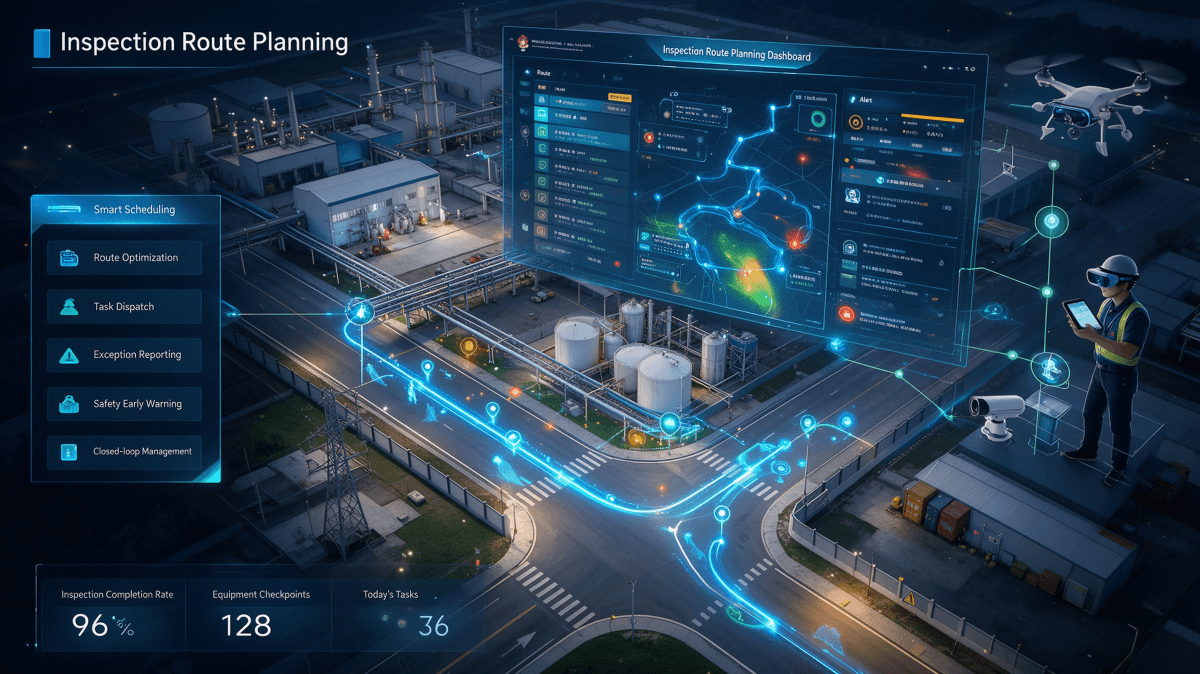
能移动的车,不等于能安全移动的车。两者之间是路径规划:把机器感知到的信息和现场布局,转化为一条避开应避之物的路线——即便现实与计划不符,这条路线依然可以执行。
自主路径规划覆盖室内作业的地面车辆——AGV 与其他移动机器人,也覆盖室外的足式机器人与无人机。各类场景的原理一致:先建立环境模型,再据此规划,把结果下发给机器;一旦模型与现实不再吻合,就重新规划。
让一份规划可用而非仅仅聪明的,是它的可解释性。机器停下时,有价值的问题不是算法整体上对不对,而是哪个障碍物、哪个区域、哪条规则导致了停止。可读的规划,才是可质疑、可改进的规划。
一条无人能解释的路线,一旦失效就无人敢信。
它是什么
Planning from what is actually there. Zones, corridors, obstacles, traffic routes and restricted areas are held as configuration and updated as the site changes.
For ground and air. 同一套原则适用于车间里的 AGV、场地上的足式机器人和空中的无人机;不同的只是环境模型及其适用规则。
Routes that avoid, not routes that stop. 只要存在绕障路径,规划就会利用它;只有确实没有安全路线时才停车。
Traffic considered together. 同一场地内多台机器相互协调规划,避免单台设备的最短路径成为其他设备的堵点。
Replanned, not patched. When the environment changes, the plan is recomputed from the current state rather than adjusted by hand.
Explainable routes. Which obstacle, zone or rule produced a given route or a given stop is retained, so behaviour can be reviewed rather than guessed at.
当下的阻碍是什么
路线一成不变。它在绘制之时有效,此后再无更新。
固定路径铺好便不再复核。第一次被堵住,一切随之停止。绕行方案由当时站在那里的人临场决定。偶尔可以,作为常态难以为继。临时障碍——一个托盘、一辆手推车、一台停着的卡车——在计划中没有位置。于是它们成了需要打电话找人的理由。
多台机器表现得像只有一台在跑。每台都各自独立规划。
每台车各走各的最短路径。于是两台车同时出现在同一个路口。死锁靠司机下车推行解决。这是一项真实成本,却从不出现在任何报告里。通行规则纸上存在、现场也存在。现场版本是:谁离路口近听谁的。
地图与现场不一致。计划基于前者构建,机器却在后者中行驶。
现场改了布局,计划从未同步。于是计划带着十足的自信出错。存储的障碍物与限制区域没有更新。路径因此走向不该去的地方。环境只被了解了一部分。却被当作完全已知——直到付出代价才明白。
机器停下时,没人说得清原因。最昂贵的故障,就是解释不了的故障。
故障代码上报了,却不说明当时看到了什么。原因只能到现场去猜。事件没有留存。于是下周同样的停机重演,原因依旧成谜。改行为就得改代码。修复只好等下个版本。
从机器之所见,到机器可执行之路线
无论机器在地上跑还是天上飞,都遵循同样四个步骤。
机器感知到的信息与预先配置的现场模型融合后生成规划,规划所用的依据连同其决策一并留存。找不到可行路线时,机器会得到一个明确的暂停指令,而不是被派往恰好空着的地方,原因同时被记录。环境模型与感知质量都不是规划器自身能改善的:现场未被建模或传感器被遮挡时,这一局限就会作为局限呈现出来,而不是被掩盖。
您将获得
应用场景
不同场景之间的差异,在于环境本身、环境变化的速度,以及机器被迫停下时会发生什么。
场景 | 路径规划通常聚焦 |
仓库与工厂 | AGV 在存储、生产与发货区之间的路线,含交通与限制区域 |
生产线 | 工位间的上下料与配送,布局随产线而变 |
大型园区与堆场 | 足式机器人与室外车辆在建筑与装置间移动 |
巡检与测绘 | 无人机覆盖指定区域的航线,实际飞行轨迹留档备查 |
多层设施 | 楼层间的垂直移动,电梯与门禁成为路径的一部分 |
核心能力
按功能分组展示。
Capability | What it means |
Site model | Zones, corridors, lanes, obstacles, restricted areas and speed limits held as configuration |
Map import and maintenance | Bring in an existing site model or layout and keep it current as the site changes |
Multi-platform planning | Ground vehicles, legged robots and drones planned against their own environment models |
Static and dynamic obstacles | Both planned around, with the dynamic set refreshed as the site reports movement |
Multi-vehicle coordination | Several machines planned together, with shared routes, priorities and conflict resolution |
Priority and traffic rules | Which machine yields, where, and under what rule — configuration rather than chance |
Route handover | A route issued to the vehicle and followed, with the vehicle reporting what it actually did |
Replanning | Plans recomputed when the environment changes, on a configurable trigger |
Hold and recovery | A defined hold when no safe route exists, and a defined behaviour when the route becomes clear |
Restricted zones | Areas a machine may not enter, checked before a route is issued |
Explainable decisions | Which obstacle, zone or rule produced a route or a stop, retained for review |
Time budgets | Planning and execution held to times the machine needs to keep moving |
Simulation and test | Try a layout or a rule change before it is applied on the floor |
Monitoring | Position, state and current assignment across the fleet, with history |
Integration | Connect to the fleet control layer, the site systems that report movement, and the systems that carry out the work |
部署方式选择 | On the vehicle, at the edge, or centrally, decided by latency and by where site data may be processed |
Roles and retention | Role-based access, retention set by policy, with changes and overrides logged |
工作原理
为现场建模。区域、通道、障碍物与限制区域被定义并保持更新。引入感知。每台机器看到的内容与配置模型融合,确认现场实际状况。规划。生成一条避开障碍物与其他机器的路线,且满足车辆的时限要求。下发与执行。路线下发给机器,机器沿路线行进并上报实际动作。重规划。环境变化或某台机器受阻时,重新计算计划而非手工调整。复盘。路线、停顿及其原因均留存,可供检视行为并改进规则。
边界与前提条件
What it depends on. The quality of the site model and of what the machine perceives. Where the site is not mapped, or a sensor is blocked or dirty, that limitation appears as a limitation rather than being hidden.
它负责规划,不负责定位。Positioning is produced elsewhere and taken as an input. A planner cannot compensate for a position it is not given.
It does not move machines by force. Where a vehicle has to be stopped, stopping it is a decision for the safety arrangements at the site, not something the planner overrides.
Air operations are governed by the local rules. 高度、禁飞区、飞行许可及任何超视距作业,均由操作方负责,系统据此配置。
Where it runs. On the vehicle, at the edge or centrally, decided by latency and by where site data may be processed.